

Conference planning services, done with confidence.
We manage your conference end to end, venue sourcing through onsite execution, with your budget & timeline visible to you at every step.
1,000+ events managed. 1M+ attendees. 9.8 CSAT. Planning conferences since 2008.
Project management.
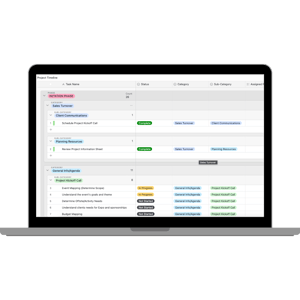
Every timeline, deliverable, and communication tracked in one place you can see. You'll know what's done, what's next, and what needs a decision from you, without having to ask.
Conference strategy planning.
Your conference should return something specific. We start with what that is, then work backward: the agenda format that fits it, session lengths that hold attention, and whether the event app or top-shelf bar is worth paying for. You'll revisit strategy with us throughout the entire planning process.

Venue sourcing and contract negotiation.
We source venues against what matters for a multi-day program: general session capacity and ceiling height, breakout room count, hotel room block inventory, walkability, airport access, load-in access, and internet that holds up when 3,000 attendees connect at once. Then we negotiate your contract, including the attrition and force majeure terms that protect you if your headcount shifts.
Budget planning and tracking.
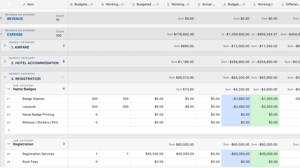
You'll see where your money is going while there's still time to move it. We'll show you which line items your attendees notice, which ones they never will, and where revenue can come back to you through sponsorships and registration.
Vendor management.
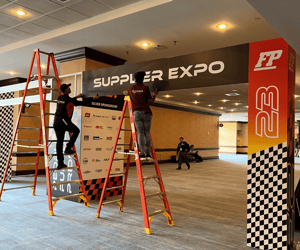
Production crew, AV, exhibit hall leads, transportation, photography. You get one point of contact for all of them. We source your partners, coordinate their work, and stand over every load-in so the last branding install is perfect before your doors open.
Speaker, sponsor, and exhibitor management.
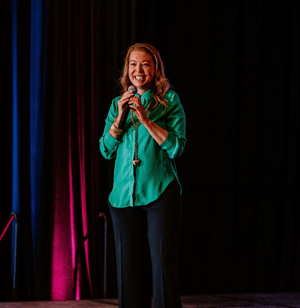
For speakers: sourcing, contracts, travel, rehearsal slots, a green room that's ready, and session timing that holds your schedule together. For sponsors and exhibitors: package tiers, onboarding, booth logistics, lead capture, and activations worth more than a logo placement. When we rebuilt sponsorship levels for one of our clients, they set a goal of 4x their previous year's vendor spend and passed it.
Registration and attendee management.
Your registration site, payment processing, badges, check-in, and mobile app. Onsite, that means short lines and a check-in desk that doesn't become the first thing your attendees mention.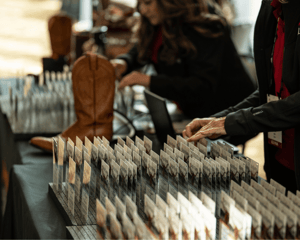
Risk mitigation.
Safety protocols, emergency plans, backup AV, weather contingencies, and a plan for when your outdoor cocktail hour gets rained out, or a flight delay throws off your schedule. We've been through all of it. You get the plan before you need it, not during.
Boutique team, enterprise-scale execution.
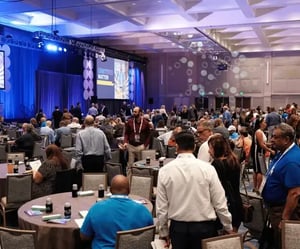
GoGather was founded in 2008 by hospitality veterans from Starwood, La Quinta, and Wyndham. You get senior people on your account, the same ones from first call through post-event debrief, not a rotating bench. We've managed 1,000+ events for 1M+ attendees, from 50-person leadership summits to 5,000-attendee annual meetings.
Your budget and timeline, visible in real time.
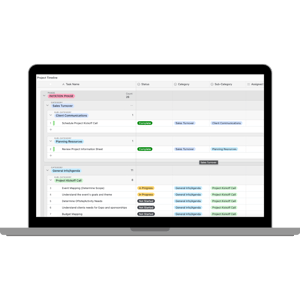
You shouldn't have to ask your planner more than once to find out where your event budget stands. You get live visibility into spend and schedule with our Airtable planning tools, and we bring you the hard conversations early, while there's still room to solve them. No surprise invoices, no reconciliation shock in week three.
A 9.8 satisfaction score, and references to back it.
Clients score us 9.8. Ask for references and you will get connected with clients running programs like yours, happy to tell you about their experience with our planning team.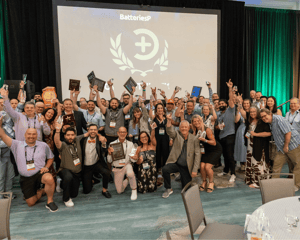
Conferences are our lane, not a side business.
We're not an experiential marketing shop that also books meetings. Corporate conferences, sales kickoffs, incentive trips, and strategic meetings are our bread and butter, which is why we know what a general session costs in Nashville in March, how long your load-in takes, and which hotels will actually hold a room block during a citywide.
What goes into your conference investment.
Every conference budget is different, and any agency that quotes you a number before understanding your program is guessing. Here's what moves your total:
- Attendee count, and how many of them need air and hotel
- Destination, which drives airfare, room rates, and union labor costs
- Program length, and how many days you hold general session space
- Production level: staging, lighting, video, and how much of the room gets custom built
- Food and beverage, usually a bigger share of the total than first-time planners expect
- Sponsorship and registration revenue, which can offset a large portion of your spend
We build your event budget with you before you commit to anything, and you'll see it line by line. If you want a sense of the ranges first, our breakdown of what a corporate conference costs to plan walks through real numbers by program size.
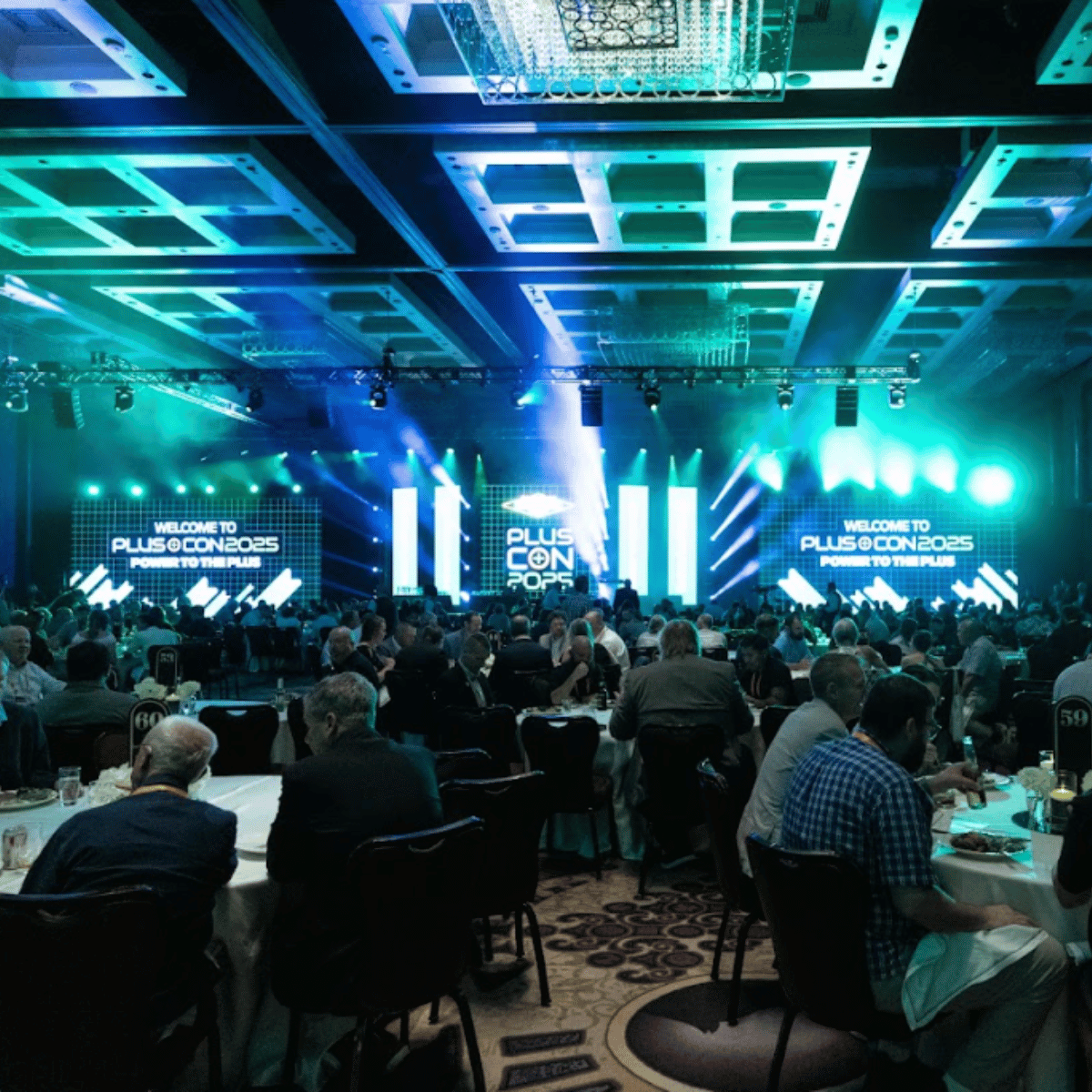
How we brought gamification to life at a 3-day revamped conference.
Client overview.
Batteries Plus had gone five years without an in-person gathering. They wanted to reconnect a nationwide franchise community, and they wanted more than a general session in a hotel ballroom.
GoGather's solutions.
We handled event strategy, management, and onsite execution, and built the whole program around competition:
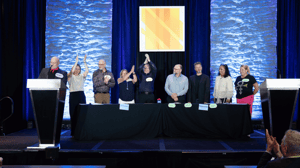
- Attendees earned points before the event through performance milestones, and the program ended in an onstage final.
- We secured a high-end hotel so attendees walked in knowing the trip mattered.
- We rebuilt the sponsorship model into interactive activations instead of logo placements, which gave sponsors something real to show for the spend.
- VIPs earned an immersive night at the Sphere.
Results.
Attendance beat projections, engagement held through all three days, and attendees left asking about the next one.
We create exceptional conference experiences for top brands.