


As your corporate events grow into multi-million-dollar investments, procurement is most likely playing a more central role in decisions that were once primarily marketing-led. And that shift makes sense. Events drive revenue, shape culture, influence brand perception, and engage employees…all while carrying financial and operational risk.
Friction often follows the sourcing process. Marketing teams push for creativity and speed. Procurement prioritizes consistency and risk mitigation. The RFP process can quickly turn into a tug-of-war. 😬
But, it doesn’t need to.
We’ve found that a more strategic sourcing approach (grounded in transparency and realistic expectations) leads to better outcomes.
Quick summary.
As procurement takes on a more influential role in event planning, the way organizations source event partners has to evolve. This article will cover:
| Section | Details |
| Getting better answers starts with better inputs. | How can you provide clearer parameters and set agencies up to deliver more aligned proposals? |
| Timelines matter more than you think. | How can you structure RFP timelines that encourage thoughtful responses without dragging the process out? |
| Ask specific questions, but leave room to think. | How you can write focused RFP questions that guide agencies toward what matters…while still allowing creativity. |
| How to build a strong event RFP from the inside out. | How can you start with your event’s purpose, learn from past challenges, and assess internal readiness before going to market? |
| Does the RFP format matter? | How can you choose tools and formats that promote meaningful responses? |
| What to look for when evaluating responses. | How can you move beyond scoring spreadsheets to assess cultural fit, strategic depth, etc? |
| Turning team needs into a procurement-led RFP. | How can you translate internal stakeholder priorities into a structured, procurement-driven process without losing sight of attendee experience? |
| Vendors, risk, and the importance of fit. | How can you evaluate vendor capabilities to protect your organization? |
| Getting more value from your event partner. | How can you create a collaborative relationship that extends beyond a single event? |
| The rising importance of data security in events. | How can you incorporate modern data protection and technology considerations into your sourcing process? |
| A better way forward. | How strategic procurement creates better events and better outcomes. |
Let’s walk through how you can better evaluate event agencies to support both your business goals and the attendee experience.

Getting better answers starts with better inputs.
If you want thoughtful, strategic responses from event agencies, you have to give them something to work with. Vague RFPs slow everything down and invite misalignment.
Here are 3 simple ways you can get better answers from event management agencies:
1. Be clear about your event parameters.
Start with the basics, and don’t treat them like trade secrets. Share what you know about:
- Event purpose and goals
- Audience size and profile
- Location or location strategy
- Dates or timing windows
- Agenda framework (even if it’s high-level)
When agencies understand the shape of your event, they can respond with ideas and approaches that fit. Keeping details hidden rarely results in better pricing or smarter proposals (it usually does the opposite).
Related: Need help brainstorming your next agenda? Here are 6 conference agenda templates to help you get started.
2. Share the event budget (yes, really).
This is the part that makes a lot of people nervous. There’s a fear that if you share your budget, event management agencies will simply price up to it. In reality, the opposite tends to happen.
When event agencies know the financial guardrails, they can tell you quickly whether they’re a fit. That saves you time. It saves them time. And it prevents rounds of revisions that go nowhere.
If an agency can’t responsibly deliver within your range, it’s better to know that EARLIER rather than three weeks and twelve emails later.
Related: Want something to compare to? Here is some budget benchmarking data for your upcoming conferences.
3. Meet before the RFP, if you can.
A short introductory call or meeting before proposals are due can surface more insight than ten written questions. You’ll learn how the agency communicates and whether there’s a baseline connection.
Personality fit matters more than most RFP scoring systems admit. Events are intense and collaborative. Therefore, you’re choosing a partner who will be in the trenches with your team for months if not years.
Related: Here are 12 red flags you should be aware of when evaluating event management companies.
Timelines matter more than you think.
Timelines matter more than most teams realize.
If you rush an RFP, you’ll likely get rushed answers. If you stretch it out too long, energy fades, and focus starts to drift.
There’s a healthy middle ground. A month is typically a solid window for agencies to thoughtfully respond to an RFP. That gives them time to ask smart questions, pressure-test ideas internally, collaborate across teams, and build something intentional instead of reactive.
If you already know your internal alignment process may take a few weeks (or longer), share that timeline upfront. When agencies understand what to expect, they can plan their staffing, protect the right resources, and stay committed to their opportunity instead of reallocating their top talent elsewhere.
Clear expectations go a long way. When you outline deadlines early (for questions, submissions, finalist presentations, and final decisions) and communicate changes as soon as they arise, it builds trust and keeps everyone moving in the same direction.
A thoughtful pace signals confidence. And that confidence tends to attract stronger, more invested partners.

Ask specific questions, but leave room to think.
Specificity helps event planning agencies understand what matters most to you. Flexibility gives them room to show how they think.
What we mean by this:
- Ask how they would approach achieving your event goals, not to plan the entire event before a contract exists.
- Avoid requesting line-item pricing for hotels, activities, and production before scope is finalized. In many cases, that level of detail isn’t realistic (or responsible) outside of a defined partnership and management fee.
An RFP is meant to help you decide who you trust to build your event plan with you.
Related: Need a creative boost? Here are 9 ways to rethink your corporate events.
How to build a strong event RFP from the inside out (4 steps).
1. Start with the “why”.
First, ask yourself:
- Why are you hosting this event?
- What needs to be different when attendees leave?
- What business outcome are you trying to support?
When agencies understand the “why,” they can suggest options that align with it…rather than guessing what success looks like to your organization.
2. Connect the “why” to structured questions.
Once your purpose is clear, ask how the event agency would help you get there. This shifts the conversation from tactics to outcomes and opens the door for strategic thinking.
3. Learn from your own history.
Every organization has event scars. 💔 Maybe communication fell apart, or the budget grew faster than expected, or maybe leadership changed direction halfway through.
Call those challenges out. Ask agencies how they would handle them differently next time. Being upfront usually leads to more honest, useful answers.
4. Look inward, too.
Bringing in an external partner can trigger insecurities:
- Loss of control
- Fear of redundancy
- Concern about decision-making authority.
A good RFP acknowledges that reality. If you’re worried about this, use Q&A to address how responsibilities will be shared.
Related: Ready to rethink how you plan corporate events? Start by exploring these 15 experienced agencies.
Does the RFP format matter?
Excel. Ariba. Word doc. PowerPoint. 🥱 The format matters less than the flexibility.
What does matter is allowing agencies to attach supporting materials:
- Case studies
- Sample timelines
- Team bios
- Visual examples
Those attachments often tell you more than a scored response ever could.
Related: Here are the event planning logistics best practices you’ll want on your radar.
6 things to look for when evaluating responses.
Some of the most important signals are hard to quantify, but they’re worth paying attention to.
- Visibility and transparency.
- Do they explain how decisions get made? How budgets are tracked? How scope changes are handled? Clarity here usually reflects how they’ll operate once the work begins.
- Willingness to engage strategically.
- Are they asking thoughtful questions that go beyond the RFP? Or simply responding line by line? Strong partners think with you, not only for you.
- Relationship mindset.
- Do they show curiosity about your culture, leadership style, team dynamics, and audience? Great events are built on context, not templates.
- Original thinking.
- Are they proposing ideas for how you’ll collaborate during planning…not only what the event might look like on-site? The planning experience matters as much as the production.
- Energy and enthusiasm.
- Events are human experiences. Genuine excitement about bringing people together often translates into better creative output and stronger execution.
- Personality fit.
- Response times, tone, and communication style tell you a lot. A partner who collaborates well and sets healthy boundaries tends to perform better long-term than one who agrees to everything without pushback.
This keeps the section digestible while still giving each point enough weight to matter.
Turning team needs into a procurement-led RFP.
The strongest event RFPs find the balance between internal priorities and what attendees will actually experience. Ask yourself:
- Which parts of this RFP will directly affect how attendees feel?
- Which decisions will impact engagement, learning, or connection?
- How does success look from both the stakeholder and participant perspectives?
Keeping that intersection in mind helps you set requirements that protect your organization while still making room for meaningful events.
Related: Here are 8 reasons why partnerships are crucial for event agencies.
Vendors, risk, and why the right fit matters.
Choosing a partner for a corporate event comes with real risk. You’re investing your budget. You’re asking your team to commit time and energy. And you’re trusting someone to help protect your company’s reputation.
That’s why the right fit is such a big deal.
The best event management partners:
- Align with your company’s values and way of working
- Communicate clearly, especially when things get stressful
- Are open about pricing and how their process works
- Stay flexible without creating confusion
- Share helpful ideas and best practices, even before a contract is signed
We know that capabilities matter. But culture is often the deciding factor when things get complicated, which they inevitably do.
Related: Here are the pros and cons of working with an all-in-house agency vs. one with a partner ecosystem.
Getting more value from your event partner.
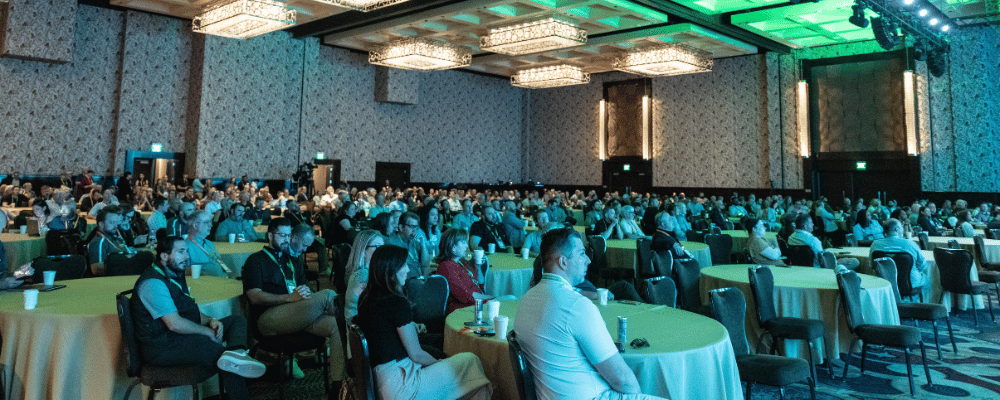
Especially for conferences and large-scale meetings, the strongest partnerships are built on trust and shared perspective.
The best agencies help you understand what’s possible, ~ what’s risky~, and what’s worth the effort. They think about your internal teams and your long-term goals.
And increasingly, they’re also thinking about data security.
The rising importance of data security in events.
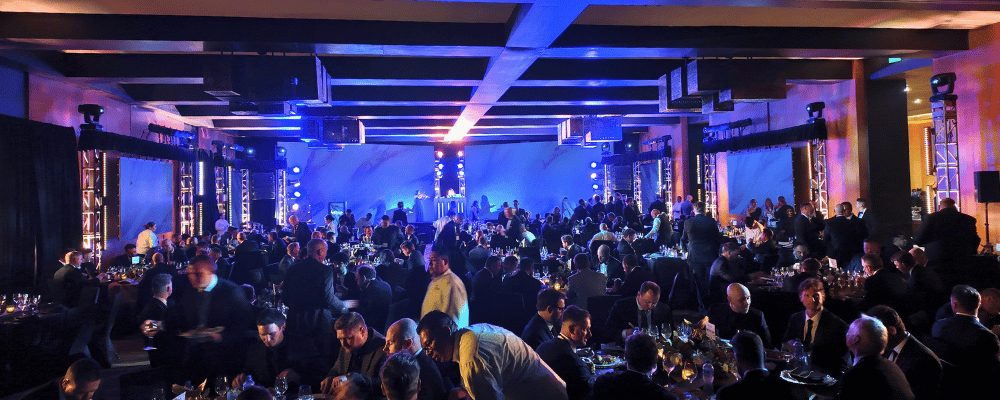
As events become more tech-enabled, questions around data protection can’t be an afterthought.
Your RFPs should include questions about:
- Attendee data handling and storage
- Technology partners and integrations
- Internal security protocols
- Incident response planning
These conversations don’t need to be heavy-handed, but they do need to happen early.

Conclusion.
Your corporate event planning process is too important to have everyone pulled in different directions. Procurement helps bring structure to the process, but structure works best when it’s built on honesty and trust.
A strong RFP sets the right tone from the start. And when procurement focuses on smart planning instead of strict rules, better events are created.
Related: Want to go deeper? Here’s a simple way to review and compare event management proposals.
Need help planning your next event?
GoGather has deep experience planning strategic, high-impact meetings and conferences. Schedule a conversation with our team to discuss how we can help bring your next event to life.