



In 2025, more than 3,400 event agencies were operating across the US. With that many players in the mix, you’re bound to run into many pretty websites and “we swear we’re different” claims.
No wonder the decision feels heavy. You’re picking an event planner and team that will represent your brand and handle a budget that could make your CFO sweat.
The 15 questions in this article will help you figure out which event management company actually deserves a seat at your table.
Some answers are easy to find on an agency’s website. Others take a real conversation. Either way, you’ll be far more prepared to choose the right partner after reading this article.
Quick summary.
Here’s a list of the 15 questions to ask before hiring an event management company, along with context that helps you evaluate each response.
| Questions | Explanation | |
|
1 |
Confirm the agency (and the actual team assigned) has the experience, logistics chops, corporate fluency, strategic thinking, and proof of past work to run your program smoothly |
|
|
2 |
Make sure their core strengths match your event type (conference, incentive, brand experience, trade show) so expectations and execution align. |
|
|
3 |
Validate they’ve successfully handled events at (or near) your headcount, since complexity rises fast with scale. |
|
|
4 |
Compare their service menu to your full scope needs (venue, budget, reg, vendors, production, creative, staffing, travel, sponsorships, etc.) |
|
|
5 |
Identify what the event planner won’t do (creative, marketing, registration, attendee acquisition, etc.) so there are no surprises mid-project. |
|
|
6 |
Check budget fit to avoid a mismatch in expectations, resourcing, and production standards on either side. |
|
|
7 |
Ensure the event management company can deliver across your destinations and understand local vendors, venues, and logistics in the places you go. |
|
|
8 |
Ask to see their playbooks, templates, tools, milestones, budget checkpoints, and onsite planning approach, plus how flexible they are with your workflows. |
|
|
9 |
Understand what systems your event management company runs for budgets, timelines, registration, check-in, dashboards, communication, and how those tools support your event (not only their team). |
|
|
10 |
Look for proactive cost control: smart sourcing, negotiation, prioritization, frequent updates, and avoiding end-of-project surprises. |
|
|
11 |
Listen for strategic thinking tied to outcomes: attendee experience, business goals, measurable improvement, and examples. Not vague promises. |
|
|
12 |
Strong partner networks (A/V, production, décor, transport, DMCs, venues, entertainment, local vendors) can improve quality, speed, and pricing. |
|
|
13 |
Get proof through testimonials, case studies, references, and recognitions, and notice how confidently the event management company shares them. |
|
|
14 |
You’re evaluating how this event management company thinks. Priorities, problem-solving style, vision, and whether they’re strategic vs. reactive. |
|
|
15 |
Fit matters: personality, communication, planning style, philosophy, support level, and shared values—because you’ll be close partners for months. |
Now, let’s dive into why you should be asking each of these questions before hiring a corporate event management agency!
1. What expertise do you have?
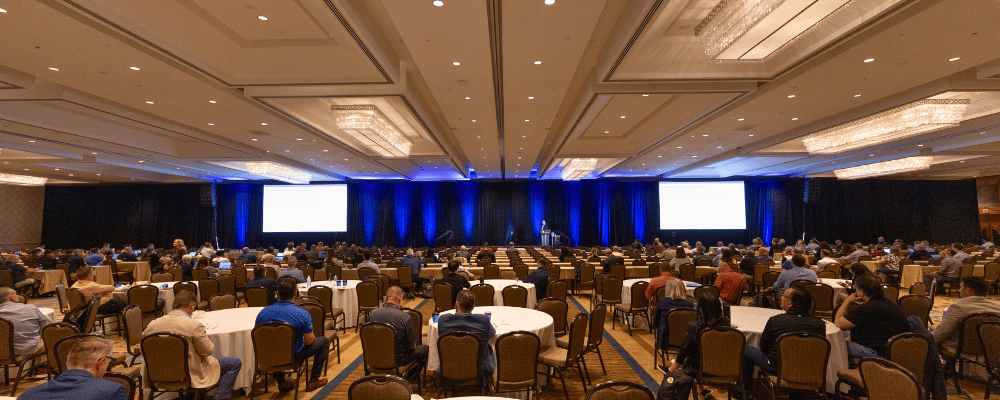
Before you sign on with any agency, make sure they have a solid foundation of corporate events experience. With 83% of businesses saying events are critical for their growth, you want a partner who treats your program with the same level of importance. The company’s track record matters, but so do the people who will be hands-on with your event.
Take a moment to look at how long your event management agency has been in the game and the backgrounds of the people who will be guiding the process day-to-day. Their experience should give you confidence that they can support your goals, not add stress to your plate.
Here are the six pieces of expertise worth paying close attention to:
|
1 |
Years in business |
Longevity often indicates stability and strong client relationships. |
|
2 |
Backgrounds of team members |
A company may be young, but its staff might bring decades of event planning know-how. |
|
3 |
Logistics abilities |
Make sure they cover the full scope of planning you need (registration, transportation, on-site flow, etc.) |
|
4 |
Corporate familiarity |
Corporate events have their own rhythm and stakeholders. |
|
5 |
Strategic thinking |
Look for an agency that can guide event architecture, not only execute tasks for your event’s success. |
|
6 |
Past work |
Case studies, photos, videos, and references help you see how they operate under real conditions. |

2. What types of events do you have experience with?
Not all agencies specialize in the same categories of events. Asking your event planner about what event types they have experience with helps you avoid mismatched expectations.
Here are the 4 main event types you should be listening for:
|
1 |
Corporate conferences |
These require strong logistics, content flow, and production expertise. |
|
2 |
Incentive travel |
These need destination knowledge, reward psychology, and high-touch guest support. |
|
3 |
Large activations or brand experiences |
These rely heavily on creative production and public engagement. |
|
4 |
Trade shows |
Successful show management demands careful vendor coordination and floor design. |
If you’re running a sales kickoff, an event planning team that only handles consumer activations may not align with your goals.
Related: Here are the top 8 corporate event management companies in the U.S.
3. What size events do you have experience with?
This helps you understand whether your event management company can comfortably handle your scale.
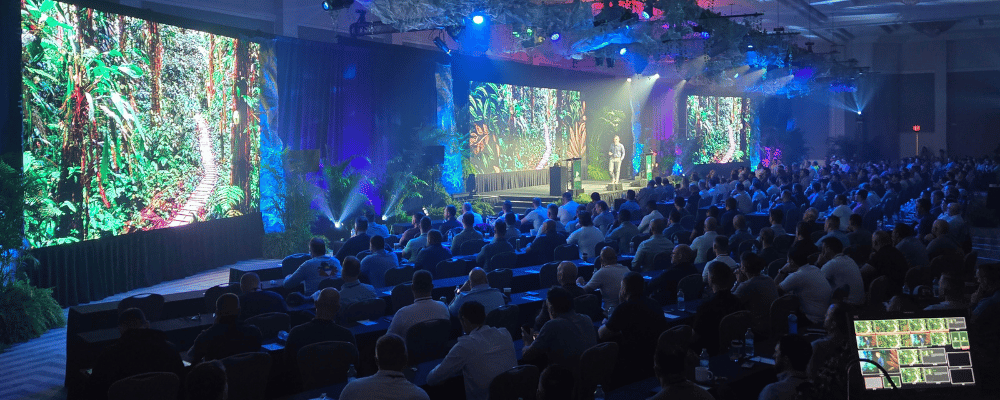
Why this matters: A 100-person leadership meeting and a 1,000-person conference both require extensive planning. But the logistics expand dramatically as attendance grows. Venue selection, staffing models, transportation, technology, and communication workflows all shift when headcount changes.
Ask for examples of events close to your size. If they’ve handled it before, they can anticipate challenges before they become a larger problem.

4. What services do you offer?
This is a straightforward but meaningful part of your evaluation.
Common event planning services may include:
- Venue sourcing
- Budget planning
- Agenda development
- Registration platforms
- Vendor management
- Production and stage design
- On-site staffing
- Creative design
- Sponsorship support
- Travel coordination
Compare their offerings with your needs. If their service list covers your full scope, you’re already in a stronger position.

5. What services do you NOT offer?
Asking this question of your event planner prevents unwelcome surprises later.
For example:
- Some agencies handle logistics but skip creative work.
- Others manage conference planning but avoid attendee acquisition or marketing.
- Some will run registration on your behalf, while others expect your internal team to handle it.
Clarity here ensures you won’t hit a wall midway through your project.
Related: Here are 12 red flags to watch out for when evaluating event management companies.

6. What is the average budget your clients work with?
Budget alignment is a huge indicator of whether an event management agency is the right match for you.
If their examples all sit at $2M+ but your event requires $250k, there may be a disconnect in expectations or available resources. The opposite is true as well. Some agencies specialize in smaller, focused events and may not have the infrastructure for larger productions.
Ask why their typical budgets look the way they do. It helps you understand the scale at which they operate.
Related: Planning an incentive trip or President’s Club? Here’s a look at the average cost of hosting one.

7. What markets do you work in?
If your event program moves around (across cities, states, or even countries), you need a partner who can keep pace. This becomes even more important if you operate in industries like home services, trucking and transportation, SaaS and tech, or franchise organizations, where events often rotate locations or follow regional team structures.
Consider:
- Do they have experience in your target destination?
- Do they know the local vendors, regulations, and venues?
- Can they scale with your multi-year or multi-location strategy?
An event management company familiar with multiple markets can help you plan faster and avoid common stumbling blocks on event day.

8. What processes do you have in place that we can use?
A well-organized process keeps your planning cycle predictable and stress-free.
Ask your event management agency to walk you through their playbooks, templates, planning tools, and communication steps. A strong planning process covers:
- Timelines and milestones
- Budget checkpoints
- Review cycles
- Vendor workflows
- Risk management/ contingency plans
- On-site operational plans
Also, notice how willing they are to adapt to the way your internal team operates. If they insist on a rigid structure that conflicts with your own workflows, it may slow your project down.
Related: Here’s the ultimate event planning checklist for your 2026 events.

9. What technologies do you use?
Event planning has a lot of moving parts, and the right tools can save everyone time and headaches. Nearly 85% of U.S. event planning companies use event management software, yet only 41% of planners are tapping into AI to improve their workflows. That gap tells you a lot about how advanced (or outdated) an agency might be.
Examples of event planner tech to ask about:
- Budget management platforms
- Registration systems
- Timeline/planning tools
- Project dashboards
- On-site check-in systems
- Communication platforms
Tech won’t replace the team behind it, but it can dramatically improve visibility and keep your planning process smooth. Make sure they can explain how their tools will support your specific event, not only their internal operations.
Related: Here are 10 event management app tools to streamline your event planning in 2026.
10. How do you manage budgets?
With 40% of planners calling budget management one of their biggest challenges, it’s no surprise this area needs a steady hand. The way an agency handles your numbers can shape the entire outcome of your event. You want a partner who’s proactive and comfortable walking you through every decision.
Look for clear explanations of how your event management company:
- Sources and evaluates event venues
- Negotiates with hotels and vendors
- Analyzes the largest cost categories
- Helps determine priorities
- Provides frequent updates
- Prevents unexpected end-of-project surprises
A strong agency will help you make smart choices while protecting your bottom line.
Related: Here’s some budget benchmarking data for your conferences and expert tips for managing tight event budgets in 2026.

11. How do you provide value?
This question helps you gauge whether an event management company thinks strategically, not only operationally.
A thoughtful event agency should be able to respond with examples of:
- How they help you meet your goals as an event coordinator
- Ways they’ve improved past events for other clients
- How they think about attendee experience and event experience
- How they align event decisions with business outcomes
If they give vague responses, they may be more task-oriented than partner-oriented.

12. What industry connections do you have?
Event professionals with strong networks can simplify your planning process.
Connections might include:
- Production teams
- A/V companies
- Decor teams
- Transportation vendors
- Destination management companies
- Caterers
- Entertainment partners
- Local suppliers
A broad network usually indicates experience, reliability, and access to preferred pricing or priority service.
Related: Want a sense of what a strong partner network looks like? Take a look at our database of event affiliate partners for a quick snapshot.
13. What do your customers say about you?
Testimonials and reviews give you a snapshot of client satisfaction.
Talk to your event management company and ask for:
- Quotes from past clients
- Case studies
- Video testimonials
- References you can call
- Awards or recognitions
The way a corporate event management agency responds to this question also tells you how confident they feel about their track record.

14. How would you recommend we plan this event?
You’re not asking your event management agency to do free work here. You’re looking to understand how they think.
Asking this question of your event planner helps you see:
- Their approach to solving problems
- Their vision for the experience
- Whether they think strategically or reactively
- What they prioritize (attendees, budget, logistics, content flow, etc.)
This is often one of the most revealing conversations you’ll have.

15. Are you a good fit for us?
The “fit” conversation matters as much as capabilities. You’re about to work closely with this event management team for months, possibly years.
Consider these 7 items:
|
1 |
Personality |
Do you feel comfortable and heard? |
|
2 |
Experience |
Does their background align with your needs? |
|
3 |
Planning style |
Does their event planning process support your team? |
|
4 |
Communication |
Are they responsive, open, and transparent? |
|
5 |
Event philosophy |
Do they understand your brand and goals? |
|
6 |
Support level |
Will they handle the heavy lifting or expect you to steer the successful event? |
|
7 |
Value alignment |
Are they bringing meaningful ideas, not only trendy add-ons? |
If your working relationship with your event planner doesn’t feel natural, nothing else will either.
Related: If you’re reviewing RFP responses and want support evaluating the proposals, this resource is a great place to start.

Conclusion.
Evaluating event agencies is part gut feeling, part strategic comparison. Keeping this checklist handy helps you stay organized as you review responses from multiple partners.
Each question gives you another piece of the puzzle so you can choose the event planner that best aligns with your goals, budget, and long-term event strategy.
Related: Evaluating event agencies for your next big program? Here are 15 firms known for doing it right.
Plan your next event with GoGather.
If you're ready for support that feels like an extension of your team, reach out and let’s talk about your event goals. Schedule a quick conversation with our team to see whether we’re the right fit for what you’re building next.