


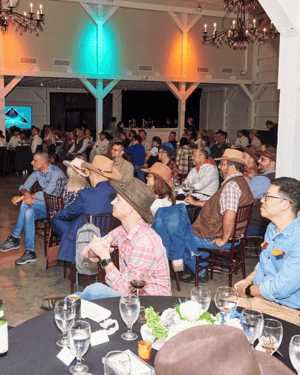
What Actually Happens at a Medical Association Conference
Every specialty has one: the annual conference where the association pulls its members together for a few days of continuing education, committee meetings, and the kind of hallway conversations that don't happen over video calls.
If you've never been to one, the shape is fairly consistent. Mornings run heavy on clinical content and CE credit sessions. Afternoons split between smaller breakouts, an exhibit hall stocked with device and pharma vendors, and association business (elections, bylaw updates, the stuff members complain about but still show up for). Evenings are networking, sometimes structured, often not.
Why the day splits the way it does
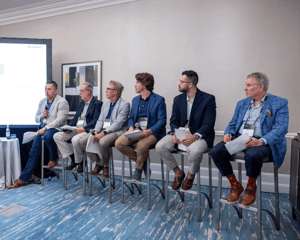
The schedule isn't random. Mornings carry the clinical programming because attention is sharpest early and because those are the sessions built to count toward continuing education credit, the hours physicians need to keep a license or board certification current. Push that content to the afternoon and the room empties out faster.
The exhibit hall and the association's own business share the afternoon for a more practical reason: getting a specialty's clinicians into one room at all is hard to do, and both the device and pharma companies on the floor and the association's leadership know it. The floor is often the one stretch of the year when that audience is walking past in person, and the same logic applies to the elections and bylaw votes tucked into the same afternoon. The conference is the one point on the calendar where the association can count on a quorum.
Evenings default to networking because for a lot of physicians, this is the only week all year they're in a room full of people who do exactly what they do. A specialist can go a long stretch without meeting another doctor in the same subspecialty back home, which is part of why the unstructured time matters as much as anything on the printed agenda.
What makes a good one good
The best medical association conferences do three things well: they respect the attendee's time, they make the exhibit hall worth walking, and they leave room for actual connection instead of packing every hour with programming.
A conference that runs back-to-back sessions from 8am to 6pm with no white space isn't ambitious, it's exhausting. The associations that get repeat attendance build in breathing room on purpose.
The exhibit hall earns that description when the vendors on the floor match what the specialty buys, prescribes, or refers, not a generic sponsor package padded out with exhibitors who have nothing to do with the room. Attendees can tell the difference within the first lap around the floor, and so can the vendors who paid for the booth.
Why the venue matters more than people admit
A conference in a city with easy airport access and walkable hotels gets a better turnout than the same content in a harder-to-reach location, every time. Attendance data backs this up more than any single speaker lineup does. If you're on the planning side of one of these events, venue logistics deserve as much attention as the agenda.
That's especially true for this audience. A physician has to line up coverage for patients back home just to be gone at all, so every extra hour lost to a bad connection or a hotel that isn't walkable to the convention center gets weighed against time away from the practice. A sales team can write off a long travel day as part of the job. A clinician's schedule doesn't bend the same way.

If you're the one planning it, not attending it
Most people searching for information on medical association conferences are attendees or association staff. If you're actually the one responsible for pulling one of these together, from registration through exhibit hall management, that's a different job entirely, and it's the kind of thing GoGather handles for healthcare organizations.
That job starts with venue and hotel sourcing and runs through the exhibit hall logistics that make the floor worth walking, the vendor coordination that keeps device and pharma exhibitors running on schedule, and the onsite support that keeps attendees moving between sessions without a bottleneck. None of it is the part someone flying in for three days ever notices. That's exactly the point.
How GoGather supports you
- Venue & accommodations sourcing
- Logistics management (on and off-site)
- Budgeting & reporting
- Contract management & negotiations
- Food & beverage
- Vendor coordination (A/V, entertainment, and more)
- Onsite support
- Post-event support