

Skip to content
sales kickoff puerto rico 8
Reviving a legacy sales kickoff in Puerto Rico.
After years of scaled-down gatherings, a global leader in high-performance roofing solutions wanted to reignite its sales kickoff event. Partnering with GoGather, the company brought more than 300 sales representatives and leaders to Puerto Rico for a week of motivation and celebration.

GoGather hosts events internationally, from large-scale conferences to luxury incentive trips.  See our top destinations →

incentives background-1
Playa del Carmen incentive trip.

Our client is a world leader in science, with more than 50,000 employees globally. For their President's Club event, the team was looking to create a unique experience for their well-traveled team. They brought in GoGather to create a once-in-a-lifetime event to reward, inspire, and delight attendees.

Inspiration for your next event. From venues to decor, watch the latest tips for your next event.

Gather Gurus Podcast
Dive into all things corporate events, from incentive trips and the significance of branding to enhancing attendee experiences at conferences. Tune in for insightful discussions on how to elevate your events!

Just released: 2026 event trends guide. Learn all the ideas you need to make 2026 incredible!  Read it now →

group of attendees participating in a bike build corporate team building activity
Madison ShepherdJan 28, 2026 4:07:15 PM7 min read

Why corporate team building matters at conferences + how to get it right.

Corporate team building has a reputation problem.

Say the words out loud at a conference planning meeting, and you’ll often see the same reaction: eye rolls or someone quietly saying, “Cringe.” 

Most of that resistance comes from past experiences that missed the mark. Popsicle-stick towers with no context. Awkward trust falls. Activities that felt disconnected from the actual work people do every day.

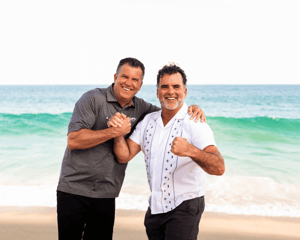
That’s exactly why this conversation between Brian Kellerman, CEO of GoGather, and Jared Young of Go Team Events matters so much. Between them, they bring more than five decades of experience designing corporate events and engagement that actually resonates with attendees.

Quick summary.

This article breaks down what modern corporate team building should look like: intentional, inclusive, well-designed, and tied to a bigger purpose. Here’s what we’ll cover throughout:

Topic

What it covers

Why team building still matters

How shared experiences drive connection in ways screens never can

Team building vs. leadership training

Why they serve different purposes and shouldn’t be treated the same

Common mistakes to avoid

What makes activities feel awkward or meaningless

Designing for real engagement

How intention, flow, and facilitation change everything

CSR and community impact

Why giving back creates instant buy-in and lasting pride

Gamification and creativity

How storytelling and play bring teams together

Measuring real ROI

Looking beyond business outcomes to attendee experience

About the experts.

Brian Kellerman is the CEO of GoGather, a full-service corporate event management agency known for designing meaningful conferences, sales kickoffs, and incentive programs. With more than three decades in the industry, Brian focuses on helping organizations create gatherings that build real connections and deliver purpose beyond the agenda.

Jared Young is the founder of Go Team Events, a national leader in corporate team building and engagement experiences. Coming from a background in leadership training and experiential learning, Jared specializes in designing inclusive, high-energy activities that replace awkward moments with genuine fun.

emcee guiding a corporate team building activity

Team building vs. leadership training: why the distinction matters.

First, team building and leadership training are not the same thing.

  • Leadership training tends to focus on skill development, frameworks, and long-term behavior change.
  • Team building, on the other hand, lives in a different space. Its goal is simpler, but no less powerful: get people together and help them connect through shared experience.

That distinction is freeing for both planners and attendees. When team building isn’t overloaded with heavy instruction or forced metaphors, it opens the door to creativity. It gives organizers flexibility to meet groups where they are, whether that’s 100 people in a ballroom for one hour or 1,000 attendees across a multi-day conference.

And while team building can feel harder to measure on paper, its impact shows up in ways that matter: 

  • Stronger relationships
  • Better collaboration
  • Higher engagement once people are back at work

Related: Here are 25 sales incentive trip ideas and activities to consider for your next event. 

two attendees videotaping a conference

The real problem with bad team building.

Most people’s hesitation with team building comes from past experiences that felt pointless or uncomfortable.

Brian put it plainly. If you hand someone a pile of materials and ask them to build something without explaining the purpose, they’re left wondering why they’re there at all. When the “why” is missing, even a well-intended activity can feel like wasted time.

Jared shared how his facilitators approach this challenge head-on. He tells them they are always competing against the last bad team-building session the audience experienced. That means earning trust quickly and making it obvious within the first minute that no one is going to be embarrassed or singled out.

That early reassurance changes everything. You can see people relax and decide to participate instead of waiting it out.

Related: Need some help brainstorming for your next sales kickoff? Here are some themes and ideas for your next meeting. 

emcee guiding a corporate team building activity

Intent beats novelty every time.

Great team building starts with a question: Why are we bringing these people together?

When the activity fits seamlessly into the larger event strategy, it doesn’t need heavy explanation. It just makes sense. The energy carries over from the conference theme to the goals of the meeting itself.

Brian emphasized that attendees today are more sophisticated than ever. They’re taking time away from work and family. That means planners and partners have a responsibility to be thoughtful about how every hour of an event is spent.

Related: Got a group that hates small talk? Try these 10 networking ideas your attendees won’t dread.

two attendees hugging during a conference

Team building should live beyond one hour.

Your conference team building should not be confined to a single time slot on the agenda.

Brian talked about weaving engagement throughout the entire event lifecycle: before attendees arrive, while they’re on site, and after they return home. When done well, team building becomes part of the story people tell about the conference.

This might look like introducing a concept before the event and then bringing it to life on-site. It might continue after the event through shared stories or ongoing initiatives that keep people connected.

If the entire experience ends the moment the ballroom doors close, something has been missed.

Related: Planning a leadership retreat and unsure where to start? Here are the 10 best leadership destinations to inspire your team.

group of attendees at a conference

Five examples of team building that actually works.

Based on the ideas shared by Brian and Jared, here are five approaches that consistently deliver meaningful results.

group of attendees doing a bike corporate team building activity

1. CSR-driven team building with a game component.

CSR events connect directly to your company values while giving attendees the chance to make a tangible difference. When paired with light competition or games, they also create energy and momentum.

Examples include building care kits, assembling backpacks, creating computers for nonprofits like Girls Who Code, or environmental projects such as beehive builds. These activities don’t require forced buy-in. People naturally engage because the purpose is clear.

These activities instill a sense of pride in attendees that lasts well beyond the event.

group of attendees smiling at the camera

2. Gamified challenges that respect different strengths.

Gamification works because it taps into something universal. Everyone sits somewhere on the competitive spectrum.

The most effective formats offer multiple ways to contribute, and they all have a place:

  • Physical challenges
  • Trivia
  • Creativity
  • Problem-solving
  • Quick-thinking tasks 

When people can choose how they show up, they feel included instead of exposed.

This approach avoids the trap of designing activities that only reward the loudest or most athletic participants!

group of attendees hugging at a conference

3. Creative competitions with storytelling built in.

One of my favorite ideas we discussed was layering creativity and storytelling into familiar formats.

For example, a culinary competition gets far more engaging when teams create a brand, build a backstory, and deliver a pitch. What starts as a simple cooking challenge turns into creativity and shared laughs.

These experiences give people something to talk about later and make it easier to form genuine connections across teams.

group of attendees watching a corporate conference

4. Short-format, well-produced sessions for tight schedules.

Not every event has unlimited time or space. For groups with one hour and one room, the key is professional facilitation and tight execution. Clear roles and visible support staff keep things moving and prevent confusion.

Brian highlighted how important it is to work with partners who know how to read the room and adjust in real time, ensuring no one gets left behind.

group of attendees smiling at a conference

5. Activities tied directly to attendee identity.

The most memorable team building aligns with who attendees are and what they do.

The example of engineers building computers for Girls Who Code stands out because it respected the skills and interests of the group. It was practical, meaningful, and deeply relevant.

When people see themselves reflected in the activity, engagement follows naturally.

attendee raising her hand during a conference

Measuring ROI beyond the balance sheet.

Yes, companies want to know how events support sales and performance. But there’s another layer that matters just as much as ROI: the return for the attendee.

When attendees leave your event with stories they’re proud to tell and a renewed sense of belonging, that impact carries forward.

Jared shared research showing that people experience the strongest sense of happiness when they do something good for others. That insight reframes team building as an investment in human wellbeing, not only a line item.

Related: Finding the ROI sweet spot: Why return on experience (ROE) is the metric that matters most.

group of attendees watching a conference

Why this matters heading into 2026.

As budgets tighten and expectations rise, planners are being asked to do more with less. That pressure makes it tempting to cut engagement elements altogether.

  • Brian offered a clear counterpoint. If people aren’t connecting in meaningful ways, why gather in person at all?

Team building, when done with care and intention, is a core part of what makes in-person events worth the time, money, and effort spent. 

Related: Looking for more? Here are 23 creative and fun conference activity ideas for 2026.

group of attendees doing corporate team building

Conclusion.

Great team building involves respecting your attendees' time, comfort, values, and desire for real connection.

When teams are given the chance to play and contribute together, they carry that energy back into their work. And as Jared put it best, teams that play together really do stay together.

plan your best event with GoGather

Plan your next event with GoGather. 

If you’re ready to take your conference to the next level and need support creating team-building activities that work, set up a time to chat with our event experts.
avatar
Madison Shepherd
Madison Shepherd is a Marketing Specialist at GoGather. When she's not writing blogs or sending out social media posts, she enjoys hiking, traveling, or reading at one of the many beautiful beaches in San Diego.

RELATED ARTICLES